Best Tips for Carp Fishing In Autumn
- By Andy Grenfell
- |
- 16 September 2021

Carp Fishing in Autumn Tips
Autumn is, without a doubt still my favourite time of year to fish.
The trees and banks are awash with colour, and the carp are developing their winter colours and should be approaching their top weights! The notion of a beautiful big scaly carp wallowing in the bottom of your landing net is a tantalising prospect for just about any carp angler.
However, over recent years it has certainly gotten harder and harder to realise that prospect, but why is that?
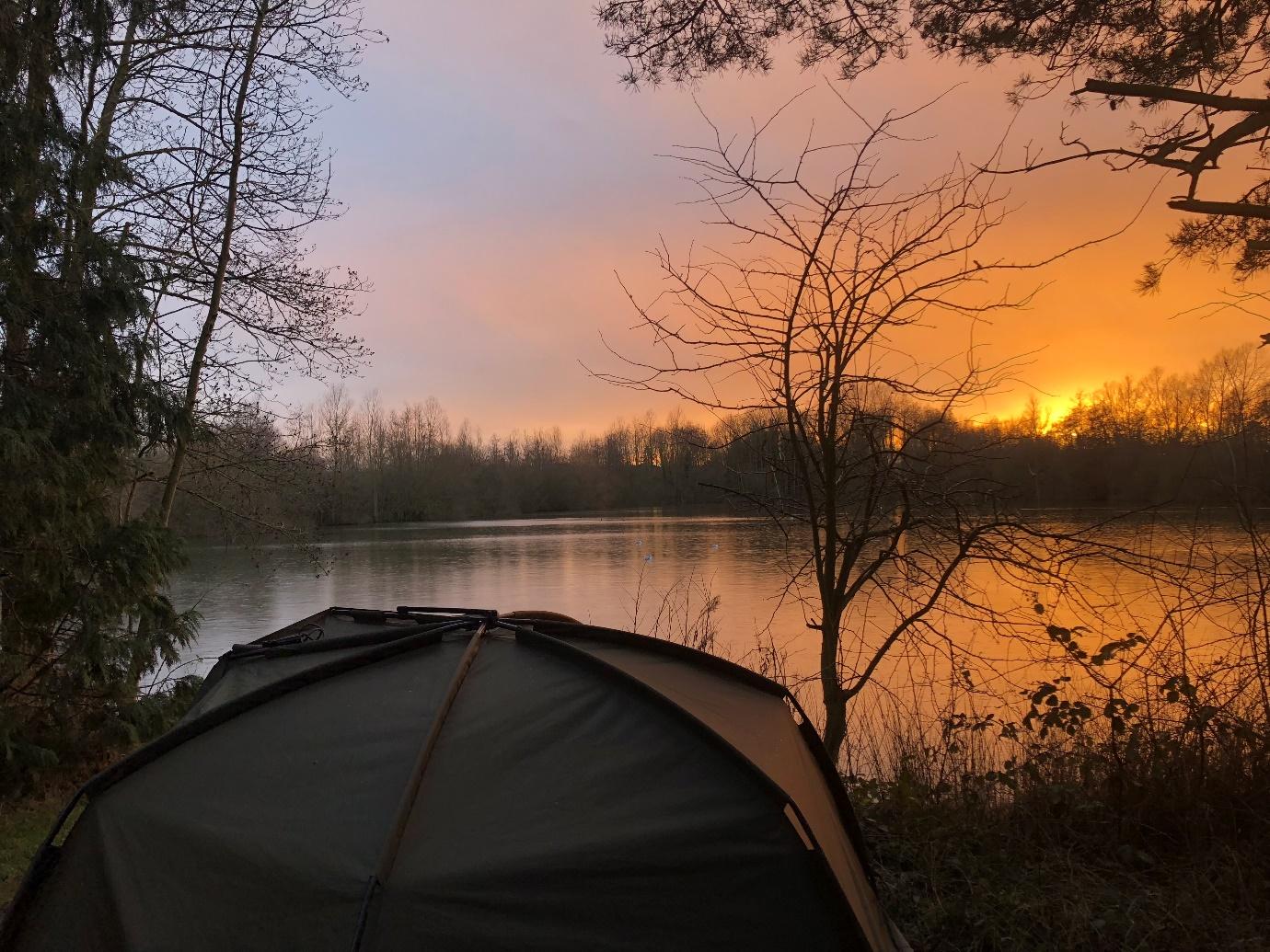
Its often been the assumption that the carp go on a big autumn feed-up in preparation for winter, however, this seems to happen less and less, and that big autumnal hit never really seems to materialise like in the days of old.
I think this is in part due to a combination of increased angling pressure throughout the course of the year, meaning the fish are conditioned and having already been caught, maintaining a higher level of caution.
But just as importantly, the advancements in carp baits, and boilies, provide increased nutrition levels, which has seen the fish hitting top condition sooner and removing that need to go on that autumnal binge.
Whilst on some waters, they might still smash those big bloodworm beds, for the last of the naturals, on the more commercial circuit waters, they have a high-quality food source readily available, so they’ve conditioned themselves as such.
This ultimately, I think, reduces the window of that feed up on some waters, whilst on the busier commercials, I think, spreads that feed out and reduces its intensity so it's less noticeable.
So what can we do to ensure that bites keep flowing this autumn and stack the odds in our favour?
Knowing to spot the difference between the two venue types can be difficult, and knowing some past form of the lake can prove hugely beneficial.
I personally find that in the lakes where the angling footfall might be lower or sees a slower rate of bait influx, or where a large abundance of naturals are still prevalent, such as blood worm beds, these windows are still present, albeit smaller, as I’ve said previously. These generally tend to be your syndicate waters, quieter club waters, or lakes with a high volume of fish, not just carp. This is due to higher biomass, resulting in greater competition for food, and as such a higher demand on natural, and as a result of the lower influx of angler’s bait, that natural trigger of the drop in temperatures and light levels can still switch that feeding response on.
In contrast, the opposite occurs in your high-pressure pit, where it's filled out nearly day in and day out, such as your busy day tickets, or where the stock is very low. The fish are inundated with bait, so much so it’s like having a buffet permanently in your living room, so they can feed at leisure. If that lake has the added nature of low stock and/or a high level of naturals, reducing that competition for food, then I have found the fish can be less likely to switch on.
Spotting the difference between these two venue types ultimately impacts how I might go about trying to target them.
First off, the best tip I can give is to research. Whether that is looking back through your own past captures or notes on what happened in previous seasons or you can find catch reports from previous autumns can all help.
This can help identify if the lake is responsive to those big autumnal hits and can aid massively with the location. Does a particular area of the lake seem more consistent in autumn? If so, you can narrow down the productive areas of the lake quite quickly and then start to investigate why that area seems to be more productive. Is it because it's slightly deeper, or is there an abundance of naturals there? Is there some form of structure that seems to retain the warmth into winter that little bit longer?
You can identify these areas by investigating simply by watching the water and key feeding times, generally at dawn/dusk, for signs of rolling fish and signs of fizzing and feeding activity. If you see these areas, you can then investigate with a marker float. Being active at these times can make a massive difference to your autumn campaign and your winter one.
Generally, I will be looking for small hard areas polished off areas amongst weeds where the fish have already been visiting or small clean seams of fresh silt as this will be where the naturals will be found.
Ideally, you don’t want large open hard areas of gravel devoid of naturals, but likewise, you don’t want soft, decaying foul silt.
Expanding a little further on this, I would also be mindful of areas where you might get high volumes of deciduous leaf fall, especially if it's Oak / Horse chestnut trees. Leaf decay can be extremely acidic and consume lots of oxygen in its decay once it gets going, especially with a reduction in light levels. Quite often, I have found on some waters; this can be particularly detrimental to whether a carp actually wants to feed on a chosen spot or even visit an area if there is an excessive build-up if say it’s a corner or bay on the lake, that sees a prevailing wind increase this accumulation.
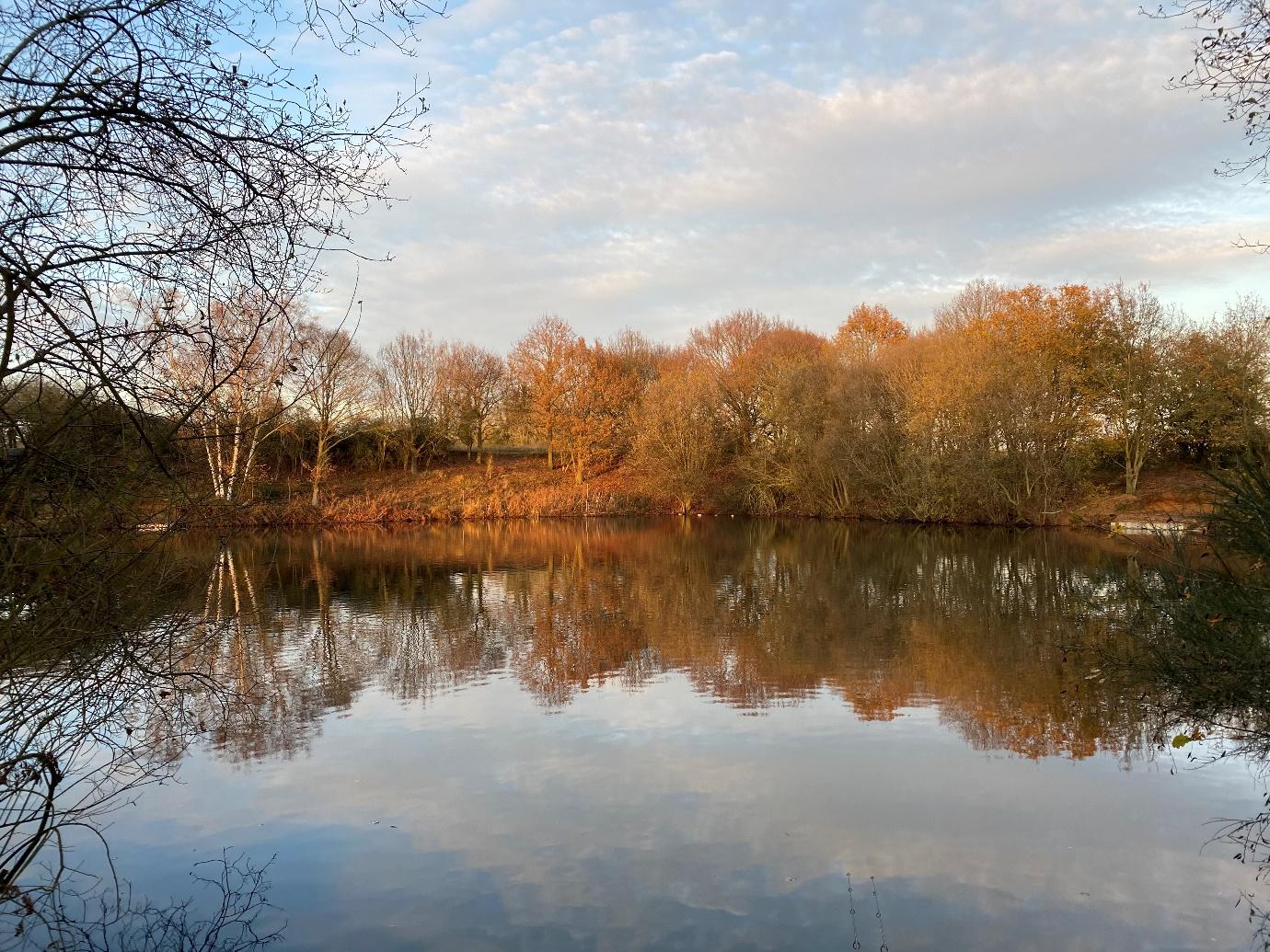
This is where to aid with my feature finding the use of a pronged marker lead to drag in any dead material will assist massively. And another great piece of advice is to smell the lead. If the lead smells foul, or your hook baits are tainted when winding in the next morning, you’re on the wrong spot.
Once an area has been found, then I can choose how to target it.
In the event the water is an extremely busy venue, then I would quite literally fish this on a session-by-session basis, and only if I know I am returning in the near immediate future, e.g. the next night or so, with a chance of getting into the same peg, as it’s an unfancied swim for example, then I would bait up before I leave. Otherwise, I could well be baiting for someone else, to reap the rewards. There is no point baiting the hot peg, as the odds of trying to get back into these swims is massively reduced.
Should I know I have a chance to get something going on a spot, as the venue or the swim doesn’t see the traffic of anglers, then I would look to keep trickling bait in on a regular basis, every 2-3 days where possible and applying a small amount of bait, with a slight increase a night or two before my session. E.g. around a kilo at the end of a session, a kilo, say Monday / Tuesday, and around two kilos on Thursday, with a few to fish the Friday or Saturday night. This means when it comes to my session, the level of disturbance I need to create is minimal; as my baiting has already been done, I can almost fish singles or stick to a few baits out the throwing stick.
Unless I think the spot has been cleaned out as the carp are clearly having it, or if the lake does hold a higher head of nuisance species such as tench/bream then I would avoid baiting at the start of my session or going higher with my pre-baiting. Once the spot is regularly producing, then I might consider upping the bait slightly during my pre-baiting.
Generally, this will be done with a high-quality of food source, such as boilies, with the bait spread out, so I can keep the amount of bait physically needed down but still retain fish in an area.
However, if the spot that I am fishing is small, e.g. a hole in the weed or the nuisance species such as tench / bream are particularly bad, where the boilies risk being cleared out, then I will include some particle-like whole and crushed tigers, maize, and a little hemp to bulk out the feed, and ensure that it keeps the fish grubbing around longer.
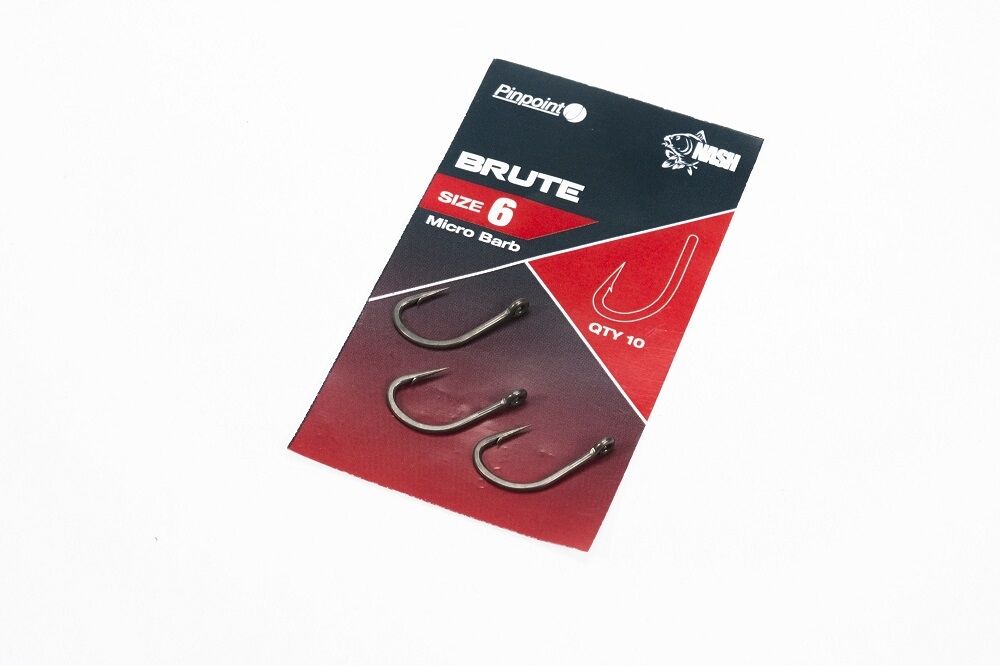
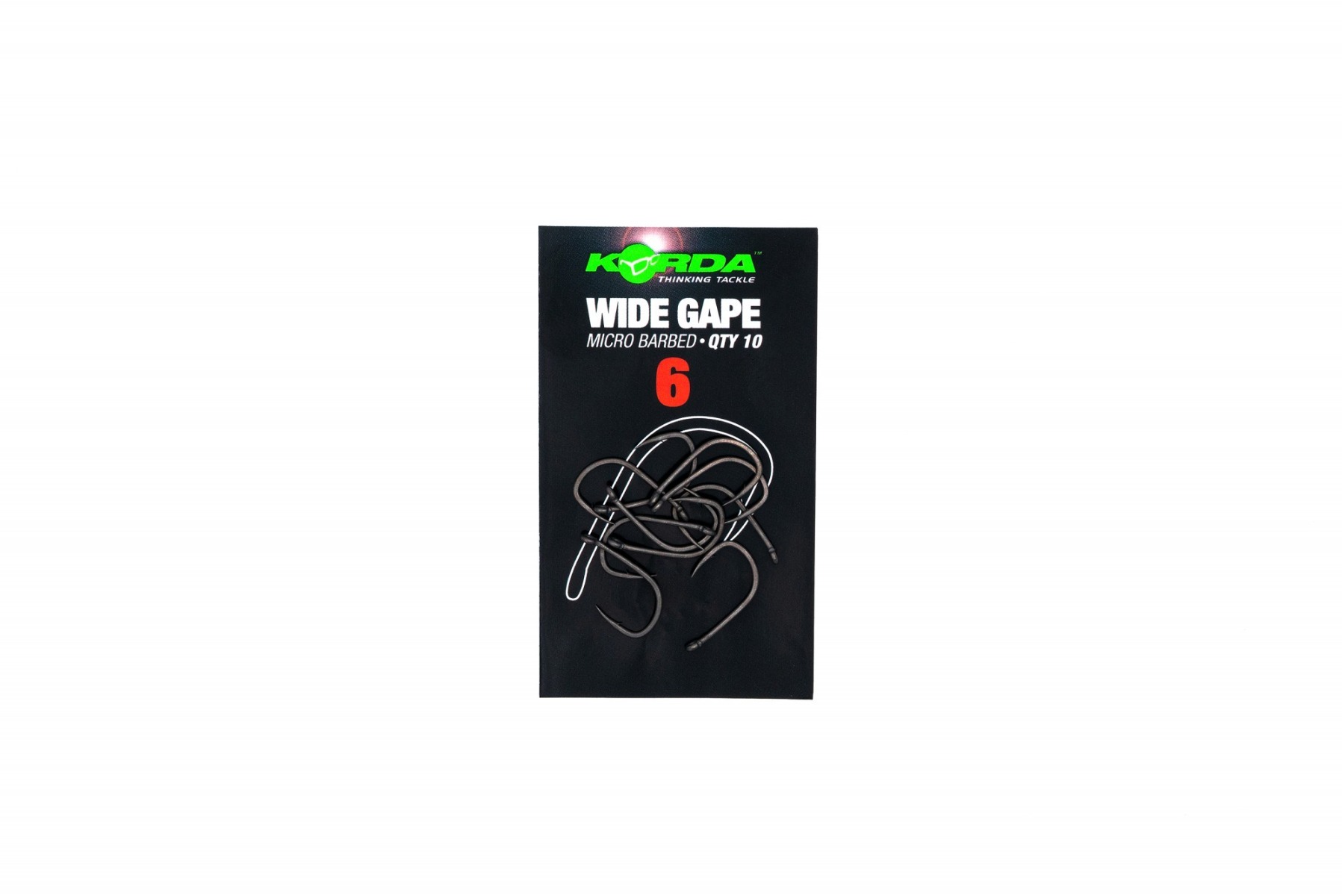
Rigs and hook bait-wise, I will generally drop the bright fluoros for a duller food bait or pale washed-out appearance. By this time of year, the fish have been pressured and hammered on bright ones, and so I’ve often found the drabber colours and even smaller hook baits can make all the difference where I can get away with them.
I will tend to favour a low-lying pop-up, too, generally a short hinge stiff rig unless I 100% know the spot is completely clean. As the weed dies off and the leaves start to fall from the trees, the last thing I want is to hook a rouge leaf or collapsed weed frond that has drifted and fallen onto my spot.
As the water clarity starts to clear, I would also look to go with a fluorocarbon mainline, or at the least a heavy sinking mainline or braid, to keep everything pinned down and out of the way.
Finally, my last tip is to stay warm and comfortable. As the nights pull in it can be pleasant during the day, but damp and cold at night, and waking up wet and miserable in the morning. This will reduce the number of hours you want to put in. Ensure you have adequate shelter, plenty of warm food and drinks, and warm, dry, waterproof footwear and clothing are vital. Trust me, trainers and joggers when walking through the grass on a November morning is not the one. Your feet will be soaked in no time.
Get a proper pair of waterproof boots, or socks, and keep spare clothing in the car where possible. Keep a waterproof jacket to hand, and your shelter with you for those overnight sessions, and a front for it, too, if you have one. The weather can change at the drop of a hat, and you don’t want to be caught out.
(This was bonfire night the temperatures plummeted after a change in wind direction and the skies cleared and the shelter froze solid)
Lastly, enjoy it. You will see the banks in all their beauty and see the landscape changing before your eyes, and hopefully, you might just bag that oh-so-special fish.
 February 10, 2026
Guide to Carp Fishing in Winter: Tips and Tactics
Winter can be just as challenging as it is beautiful for carp anglers. While many anglers hang up their rods during the colder months, winter carp ...
Read more
February 10, 2026
Guide to Carp Fishing in Winter: Tips and Tactics
Winter can be just as challenging as it is beautiful for carp anglers. While many anglers hang up their rods during the colder months, winter carp ...
Read more
 January 26, 2026
Carp Fishing for Beginners: The Complete Guide to Getting Started
Learn carp fishing for beginners with our complete guide. Discover the best carp fishing setup, techniques, and tips to catch carp successfully.
Carp ...
Read more
January 26, 2026
Carp Fishing for Beginners: The Complete Guide to Getting Started
Learn carp fishing for beginners with our complete guide. Discover the best carp fishing setup, techniques, and tips to catch carp successfully.
Carp ...
Read more
 October 21, 2025
Night Fishing: Complete Guide to Fishing After Dark
Night fishing transforms your angling experience by targeting fish species during their most active feeding periods between sunset and sunrise. This ...
Read more
October 21, 2025
Night Fishing: Complete Guide to Fishing After Dark
Night fishing transforms your angling experience by targeting fish species during their most active feeding periods between sunset and sunrise. This ...
Read more
 August 26, 2025
Pole Fishing Essentials: A Practical Guide for Anglers
Pole fishing is a precise angling method using a long pole instead of a rod and reel. Fishing poles are available up to 16m in length and can be ...
Read more
August 26, 2025
Pole Fishing Essentials: A Practical Guide for Anglers
Pole fishing is a precise angling method using a long pole instead of a rod and reel. Fishing poles are available up to 16m in length and can be ...
Read more
 March 06, 2025
Types of Fishing Knots: A Beginners Guide
Mastering the art of tying fishing knots is an essential skill for any angler, but how can you determine which knots are the best and how to tie them ...
Read more
March 06, 2025
Types of Fishing Knots: A Beginners Guide
Mastering the art of tying fishing knots is an essential skill for any angler, but how can you determine which knots are the best and how to tie them ...
Read more
 February 27, 2025
Types of Fishing Line: A Beginners Guide
Choosing the right fishing line is just as important as selecting the right bait when it comes to fishing. Whether you're focusing on carp, coarse, ...
Read more
February 27, 2025
Types of Fishing Line: A Beginners Guide
Choosing the right fishing line is just as important as selecting the right bait when it comes to fishing. Whether you're focusing on carp, coarse, ...
Read more

Senior Sales Advisor