Carp Fishing for Beginners: The Complete Guide to Getting Started
- By Andy Grenfell
- |
- 26 January 2026
Learn carp fishing for beginners with our complete guide. Discover the best carp fishing setup, techniques, and tips to catch carp successfully.
Carp fishing can seem daunting for beginners. With so many rods, reels, baits, and rigs available, it’s easy to feel overwhelmed. This guide simplifies everything and helps you start your carp fishing journey with confidence. From selecting the right carp fishing setup to choosing the best bait, understanding rigs, and mastering bite detection, we’ll cover everything you need to know about how to carp fish effectively.
Whether you’re looking to learn carp fishing techniques or figure out how to catch carp, this guide is designed for beginners and intermediate anglers alike.
Table of Contents
- ESSENTIAL CARP FISHING SETUP
- CHOOSING THE RIGHT RODS AND REELS
- CARP CARE: HANDLING AND SAFETY
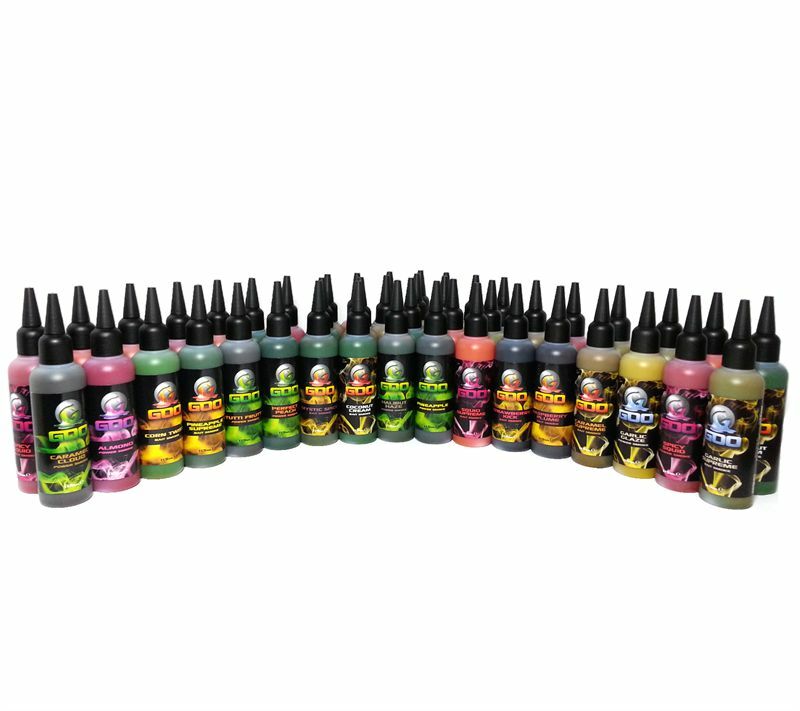
- SELECTING THE BEST CARP BAIT
- BITE INDICATION AND BANK SETUP
- FINDING AND BAITING YOUR SPOT
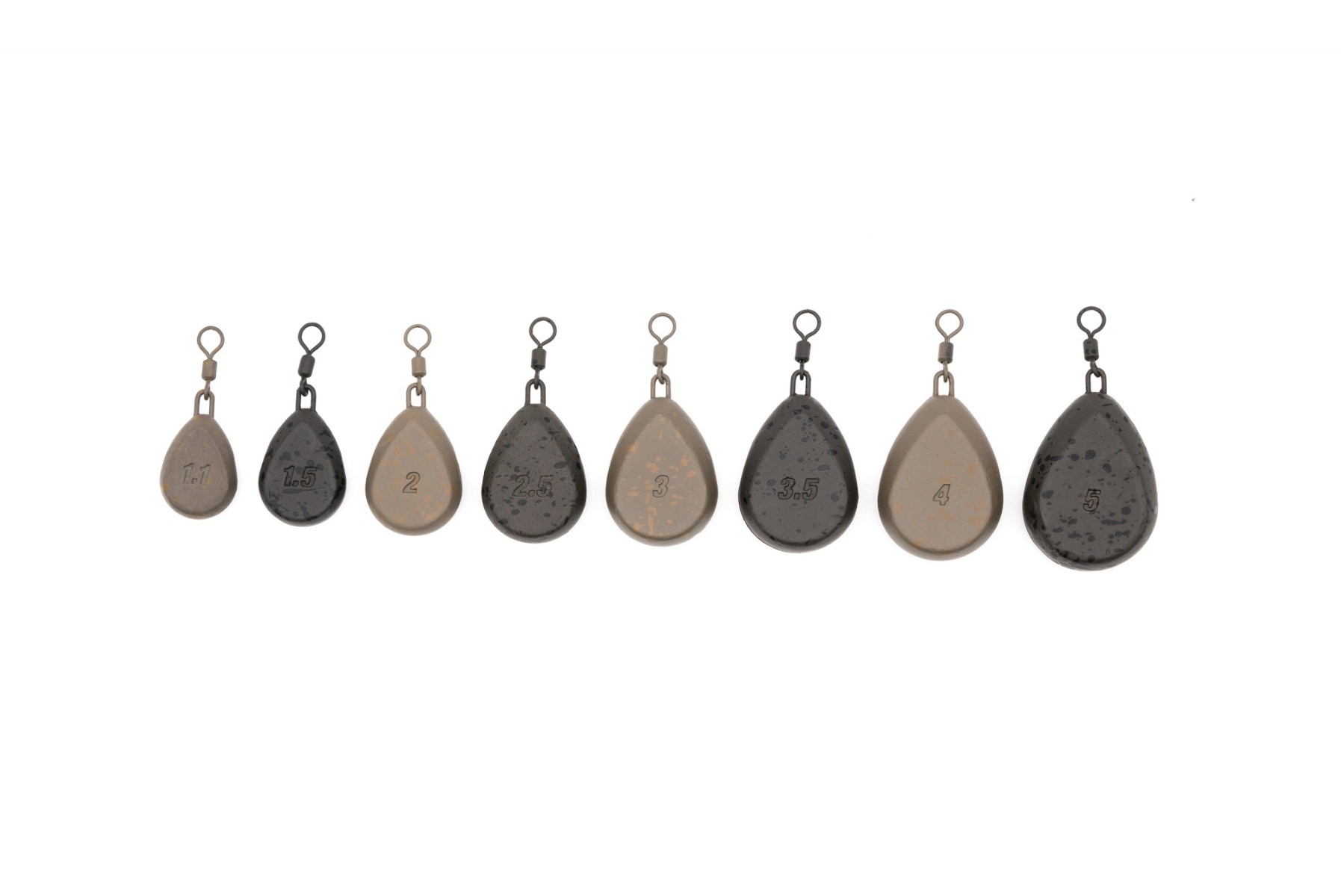
- TERMINAL TACKLE AND LEAD ARRANGEMENTS
- LONGER SESSIONS: ADDITIONAL KIT
- FAQS
Essential Carp Fishing Setup
Before heading to your local lake or river, it’s important to assemble a reliable carp fishing setup. For beginners, the essentials include:
- Rods & Reels: The backbone of your fishing setup
- Landing Net: For safely bringing carp to the bank
- Unhooking Mat or Cradle: Protects the fish while handling
- Slings & Scales: For weighing and photographing carp
- Bite Alarms & Indicators: Helps detect takes without constant vigilance
- Bait & Baiting Tools: Boilies, pellets, particles, catapults, spod rods, or bait boats
- Carp Care Kit: Water bucket, propolis, and treatments for minor injuries
Pro Tip: Each of these components contributes to both your success and the welfare of the fish.
Choosing the Right Rods and Reels
Your carp fishing setup starts with selecting the right rod and reel combination. Here’s what beginners need to know:
Rods
- Length: Carp rods range from 6 to 13 feet
- 10–12ft rods are ideal for most beginners
- 12-13ft rods are versatile, offering enough backbone for heavier leads while remaining easy to cast
- Test Curve: 3–3.25lb test curves suit most beginners and standard venues.
- Specialist Rods: 6ft rods are for stalking, and 13ft rods are for extreme long range fishing
Reels
- Big Pit Reels: Suited for 12ft rods and long-distance casting
- Line Capacity: Use reels that can hold 0.33–0.43mm line (typically 150–200 m)
- Balance: Match reel size to rod length and test curve
Pro Tip: Check out our range of carp rods and big pit reels at total-fishing-tackle.com to find beginner-friendly options.
Carp Care: Handling and Safety
Caring for the fish you catch is essential. Proper carp care ensures fish remain healthy and prevents injuries.
Key Carp Care Equipment
- Landing Net: Minimum 42 inches, deep mesh for safe handling
- Unhooking Mat or Cradle: Padded mats protect carp from hard surfaces; cradles keep fish elevated off the ground
- Slings: Used for weighing and temporary retention in water; ensure they are wet before use
- Water Bucket: Always wet mats, slings, and cradles before placing the carp on them
- Carp Treatment: Propolis or mouth treatments for minor injuries; avoid gills
Pro Tip: Always wet your mat and sling before use, zero your scales, weigh the fish quickly, and return it to the water promptly.
Selecting the Best Carp Bait
Carp are omnivores, meaning they will eat plant and animal-based foods. There’s a wide range of carp fishing baits, which typically fall into three categories:
Boilies
- Shelf Life Boilies: Easy storage, no freezing needed
- Freezer Bait: Keeps frozen until use, air dry before baiting
- Composition: Milk protein, fish meal, or birdseed bases
- Hook Bait: Pop-ups and wafters for floating presentations
Pellets
- Vary in size from micro pellets to larger ones
- Used for loose feeding or PVA bags
- Low oil pellets are ideal in winter
Particles
- Seeds and nuts, e.g., hemp and tiger nuts
- Great for spod mixes or free feeding
- Check fishery rules before using certain seeds or nuts
Pro Tip: Other staples include sweetcorn, chickpeas, and pre-prepared particles. For convenience, check out our carp bait selection at Total Fishing Tackle.
Bite Indication and Bank Setup
Detecting bites efficiently is crucial, especially during long sessions where carp may feed infrequently.
Bite Detection Options
- Float or Quiver Tips: Traditional, visual indication
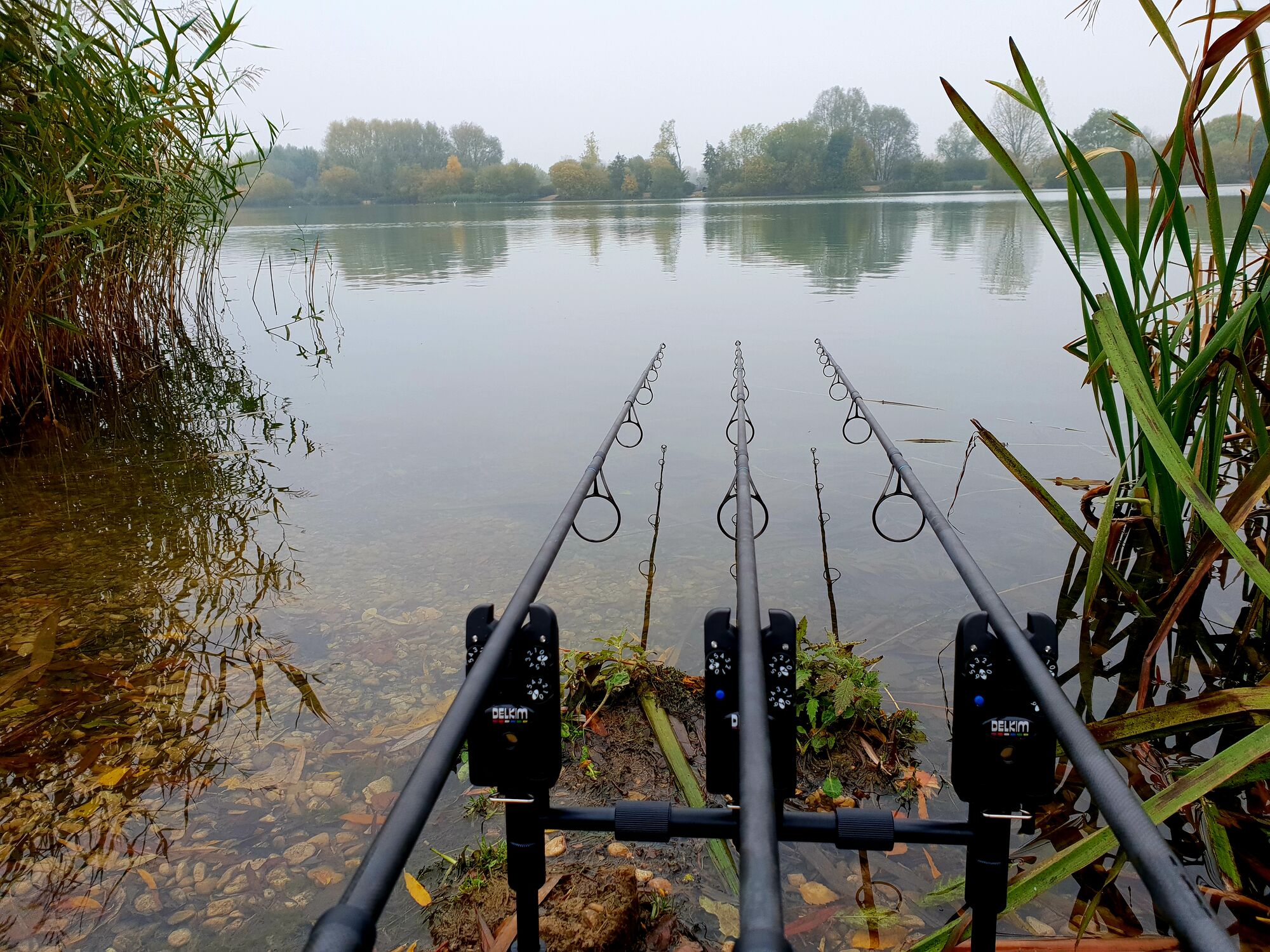
- Bite Alarms: Sound alerts when a fish takes the bait
- Indicators/Bobbins: Provide visual movement cues in slack or tight lines
Bank Setup
- Bank Sticks or Rod Pods: Secure your rods; use pods for hard or concrete banks
- Clutch Settings: Adjust clutch or baitrunner tension depending on snags and fishing distance
- Line Tension: Slack lines are suitable for open water; tighter lines for distant or snag-heavy areas
Recommended Products: Bank sticks, rod pods, and bite alarms.
Finding and Baiting Your Spot
Identifying productive areas of a lake is easier with the right tools:
- Marker Floats: Determine depth and locate underwater features
- Spod Rods & Spombs: Accurate bait placement, ideal for seeds, pellets, and boilies
- Catapults and Throwing Sticks: Great for shorter distances; air-dry freezer baits first
- Bait Boats: GPS and sonar-enabled boats deliver bait and rigs precisely
- Baiting Pole: Useful for short-range, accurate bait placement
Pro Tip: Always use distance sticks or skyline markers to replicate baiting spots consistently.
Terminal Tackle and Lead Arrangements
Choosing the right lead system ensures safe and effective fishing.
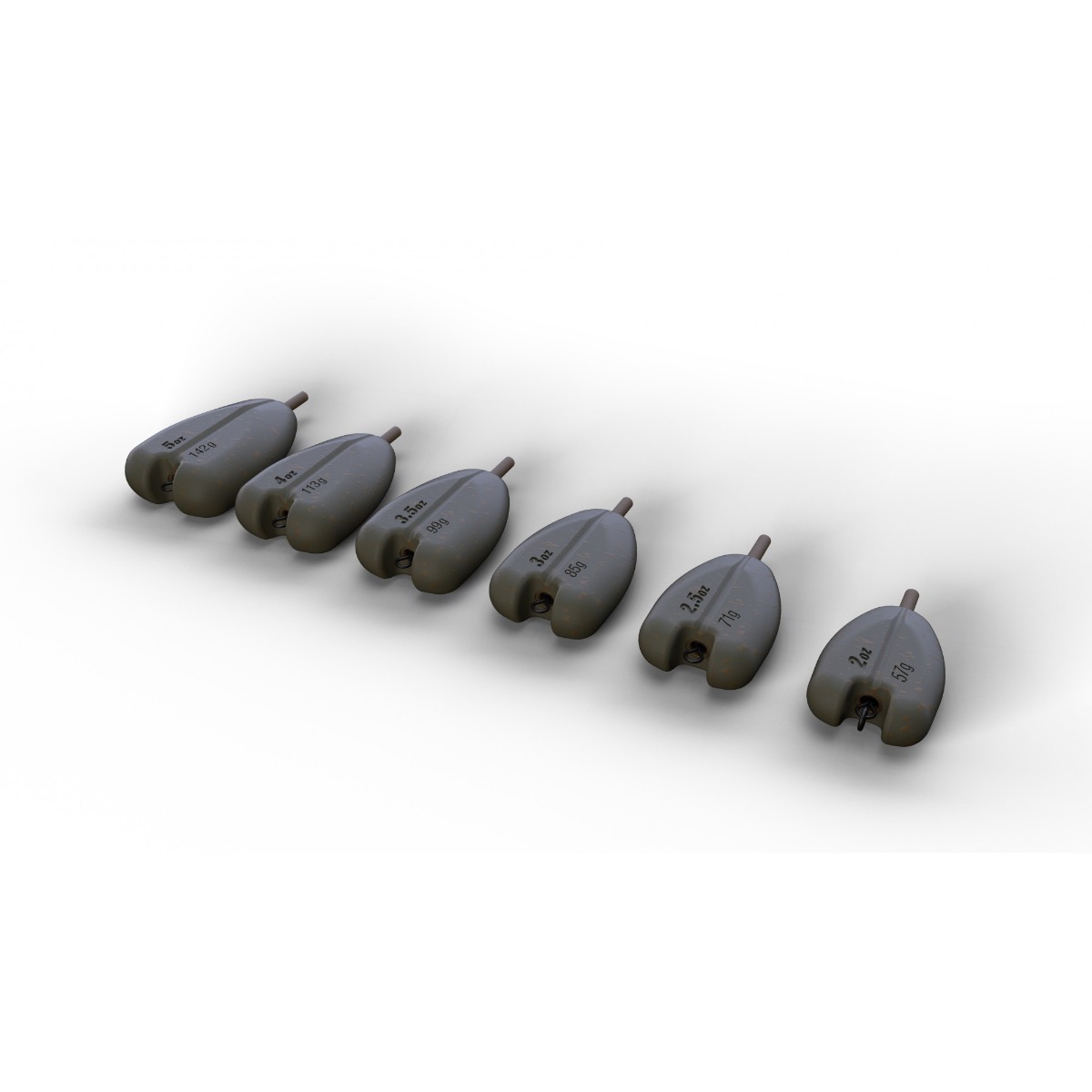
Primary Lead Options
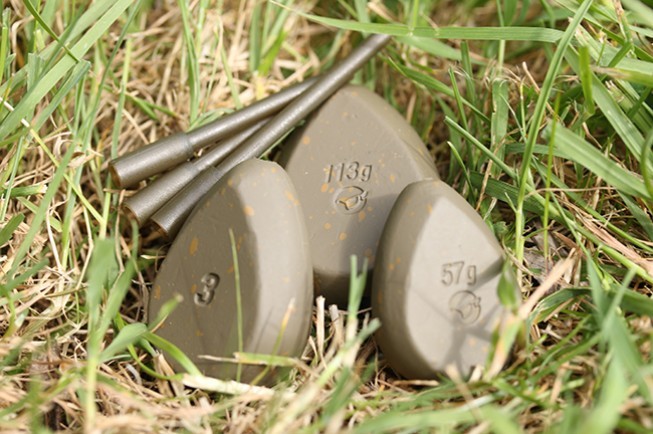
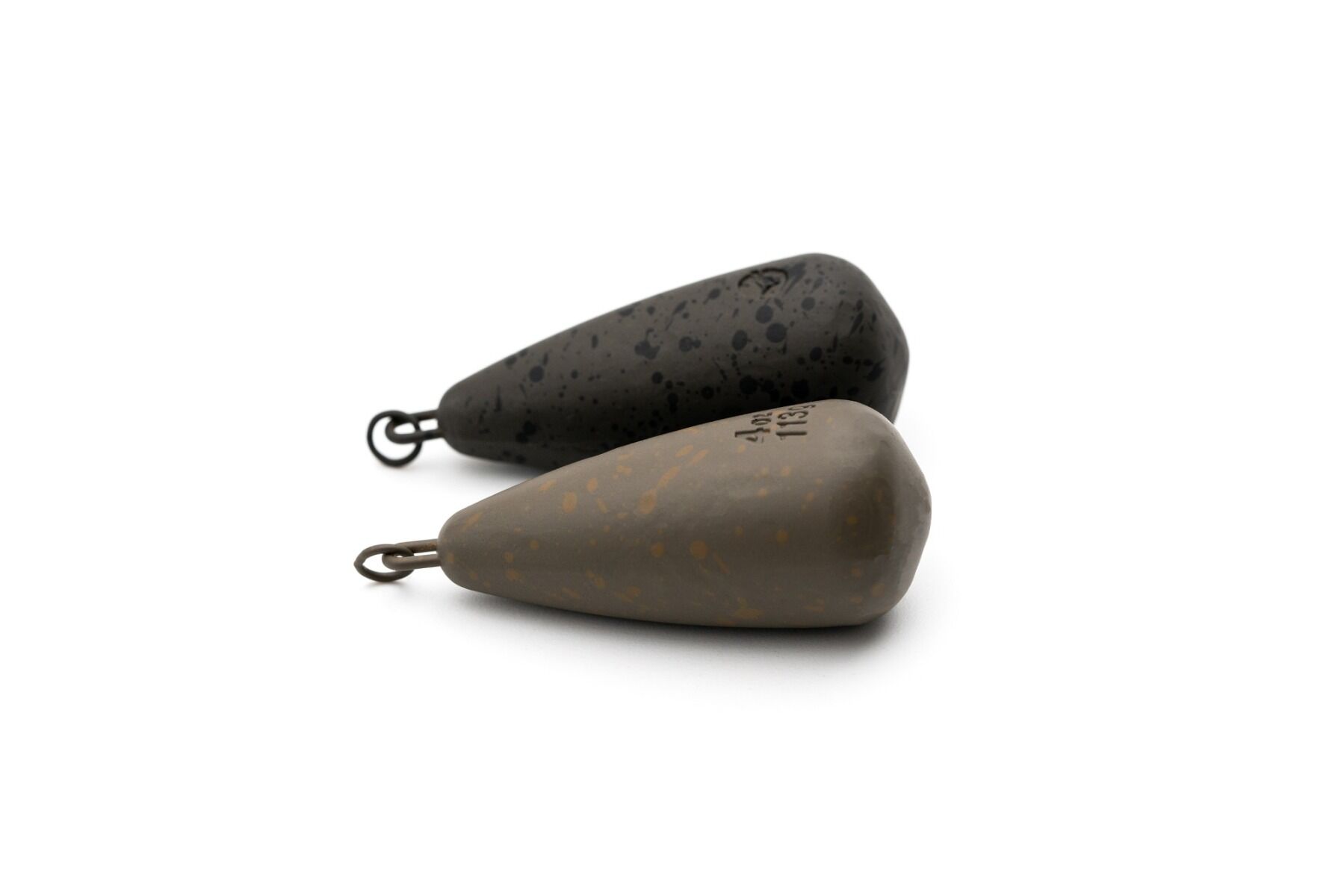
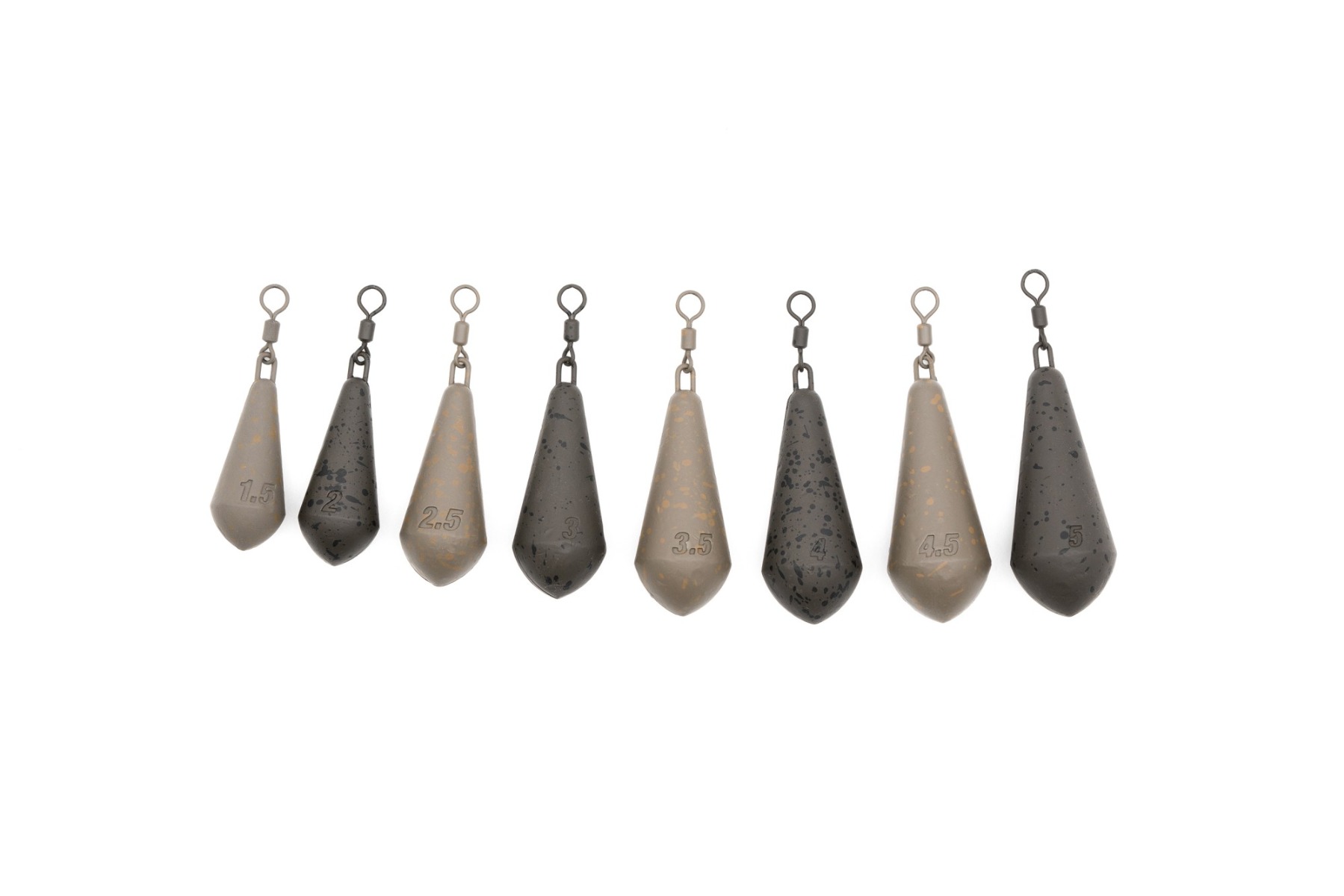
- Inline Leads: Simple, direct setup; ideal for clear substrates
- Helicopter Rigs: Rig slides along the line above the lead; useful over soft or weedy beds
- Lead Clips: Versatile, fish-safe, and widely accepted in UK waters
Other Considerations
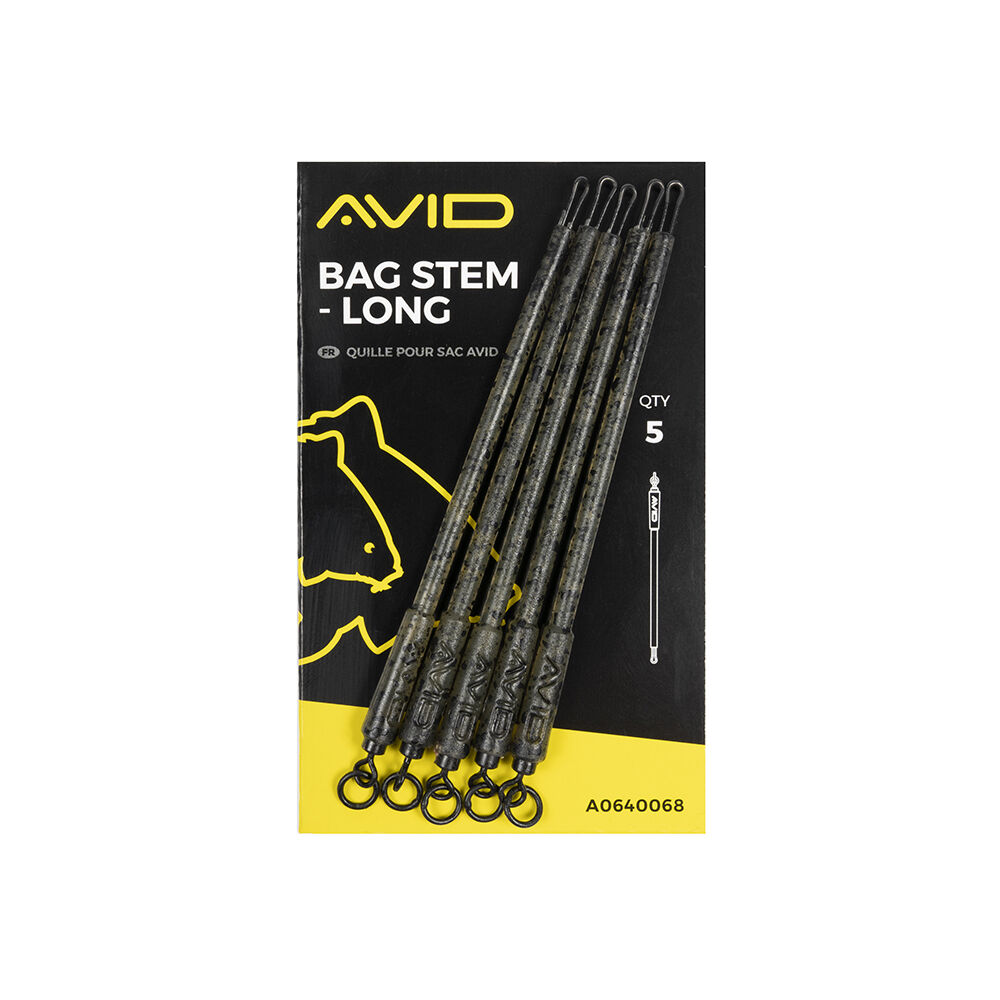
- Use tubing with inline setups or lead clips for extra rig protection
- Quick links allow fast rig changes
- Match rigs to the type of bait and fishing method (bottom, pop-up, or zig rigs)
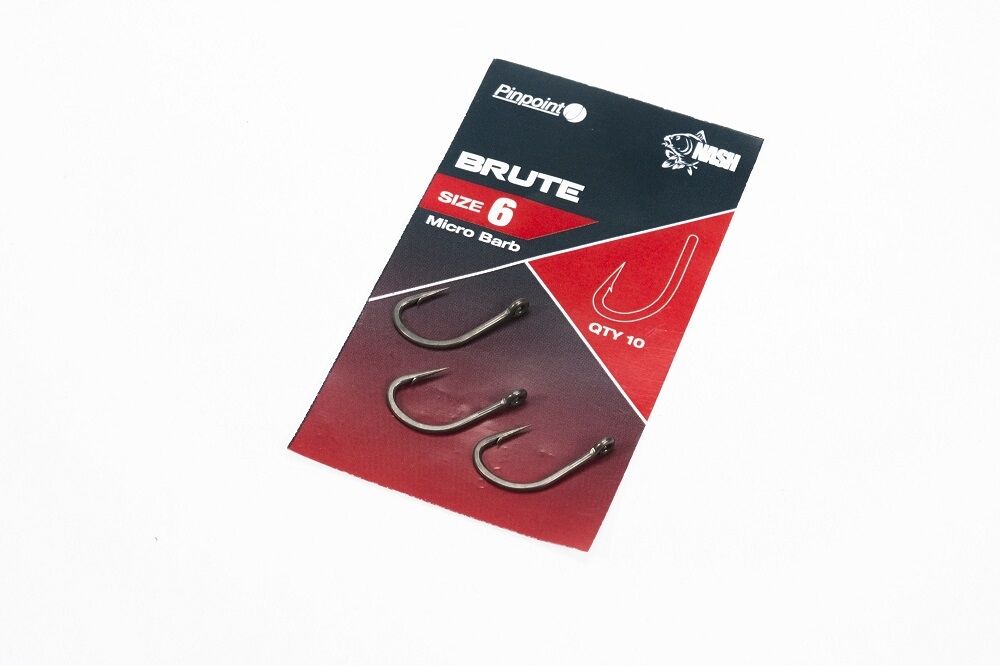
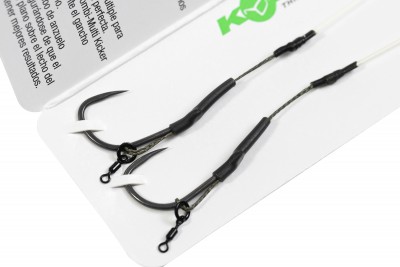
Check our range of carp rigs and terminal tackle for beginner-friendly options.
Longer Sessions: Additional Kit
For night fishing or multi-day sessions, you’ll need extra equipment:
- Bed Chair or Sleep System: Comfortable sleeping arrangements
- Bivvy or Brolly: Weather protection, includes vents and groundsheet for long sessions
- Storage: Rod bags, holdalls, and carryalls for transporting rods and terminal tackle
- Refreshments: Portable stove, kettle, or drinks for comfort on long sessions
Pro Tip: Plan your kit based on session length and expected weather conditions.
FAQs
What is the Best Carp Fishing Setup for Beginners?
A 12ft rod with a 3–3.25lb test curve, matched with a big pit reel and basic bite alarms, is ideal for most beginner anglers.
How Do I Handle Carp Safely?
Always use a wet landing net, unhooking mat, or cradle. Keep slings and mats wet, and return fish to water quickly after weighing or photographing.
What Bait Should I Use to Catch Carp?
Start with boilies, pellets, or sweetcorn. Use pre-prepared particles for convenience and always follow the fishery rules.
View our full range of carp bait.
How Do I Detect Bites in Carp Fishing?
Use bite alarms, bobbins, or quiver tips depending on line tension and water conditions. Adjust your setup based on distance and obstacles.
View our full range of carp bite alarms from top brands such as Delkim and Fox.
What Lead Arrangement Should I Choose?
Lead clips are versatile and fish-safe. Inline leads and helicopter rigs are also effective, depending on water conditions and substrate.
View our selection of carp terminal tackle has everything you need for lead arrangement.
Can I fish for Carp at Night as a Beginner?
Yes, with proper bank setup, bedding, and bite alarms. Bring extra kit like a bivvy, sleep system, and appropriate carp care equipment.
Take a look at our complete guide to night fishing for more hints and tips.

Senior Sales Advisor