









Find the Perfect Coarse Fishing Monofilament Line for Every Session
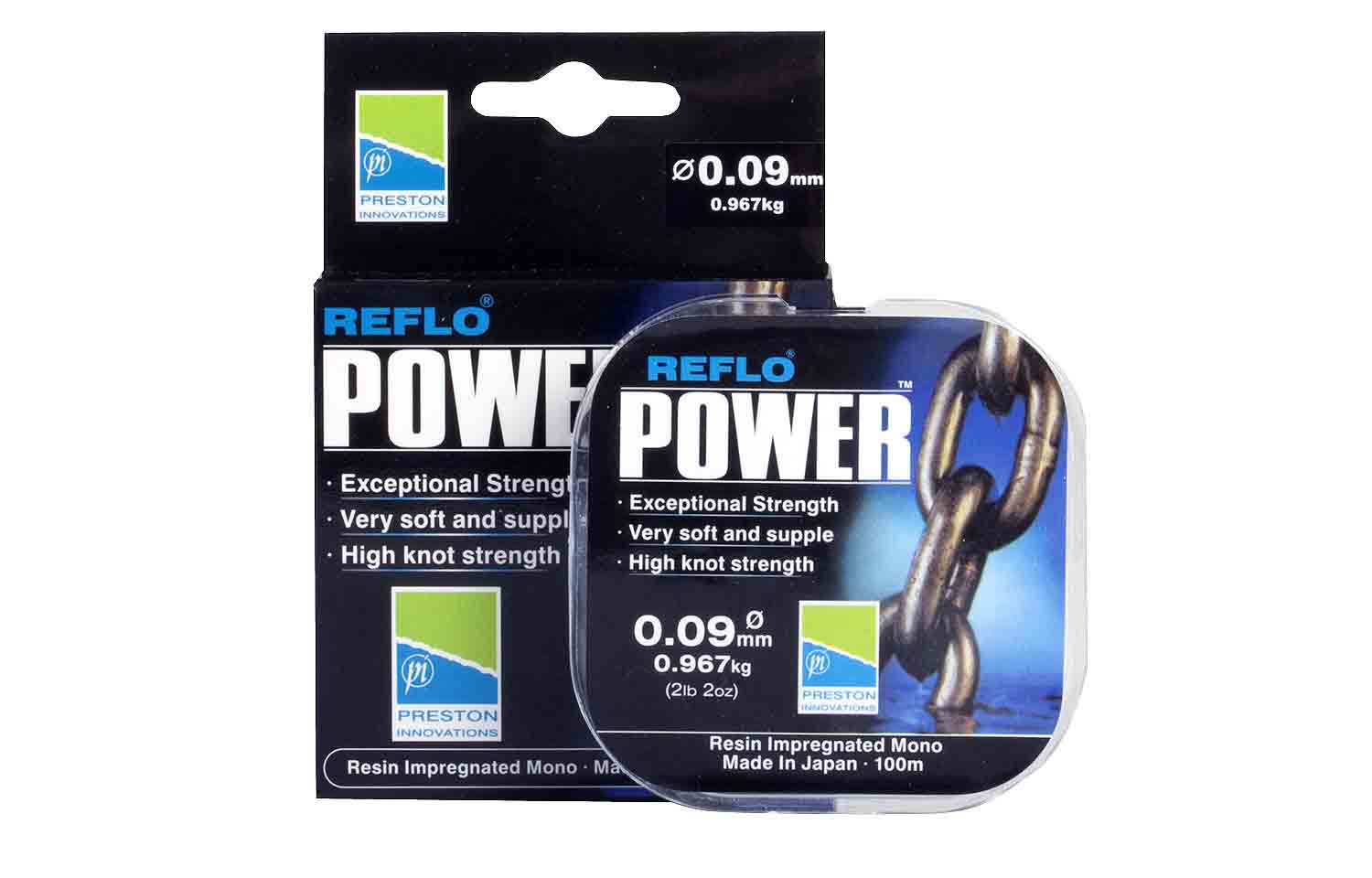
Coarse fishing monofilament line is one of the most widely used and versatile types of mono fishing line in modern angling. Designed as a single-strand line made from nylon-based materials, it offers a reliable balance of strength, stretch, and manageability for a wide range of freshwater fishing situations. Whether you’re float fishing on a canal or ledgering on a commercial lake, coarse fishing monofilament line remains a trusted choice for anglers of all levels.
Why Anglers Rely on Monofilament
One of the biggest advantages of coarse fishing line is its natural stretch, which helps absorb sudden lunges from fish and reduces hook pulls during the fight. It is also incredibly user-friendly, making it ideal for beginners while still offering the finesse experienced anglers need. Many anglers also appreciate its versatility, with options like clear or black mono line available to suit different water clarity and stealth requirements.
Key Features to Consider
When choosing monofilament line, consider diameter, breaking strain, and abrasion resistance. Thinner diameters offer better casting distance and presentation, while higher breaking strains provide added confidence when targeting larger coarse species. Smoothness and memory resistance are also important factors, helping to reduce tangles and improve overall handling on the reel.
Trusted Brands & Value
Leading names such as Daiwa, Berkley, Guru, and Fox are well known for producing high-quality mono fishing line that delivers consistency and durability. At Total Fishing Tackle, you’ll find a carefully selected range to suit every style of coarse fishing, backed by our Price Match Service for unbeatable value.
Explore our full range today and find the perfect coarse fishing monofilament line to match your setup and fishing style.
Coarse Fishing Monofilament Line FAQs
What is coarse fishing monofilament line used for?
It is used for a wide range of freshwater fishing techniques, including float fishing, ledgering, and general coarse fishing. Its stretch and versatility make it suitable for most UK stillwater and river situations.
How do I choose the right breaking strain?
Choose based on your target species and venue. Lighter lines are ideal for small fish and finesse setups, while heavier breaking strains are better for carp, barbel, or snaggy waters.
Is monofilament better than braid?
Neither is universally better—it depends on your fishing style. Monofilament offers stretch and forgiveness, while braid provides sensitivity and near-zero stretch.
How often should I replace my fishing line?
It’s good practice to change monofilament at least once per season, or sooner if you notice wear, fading, or stiffness.